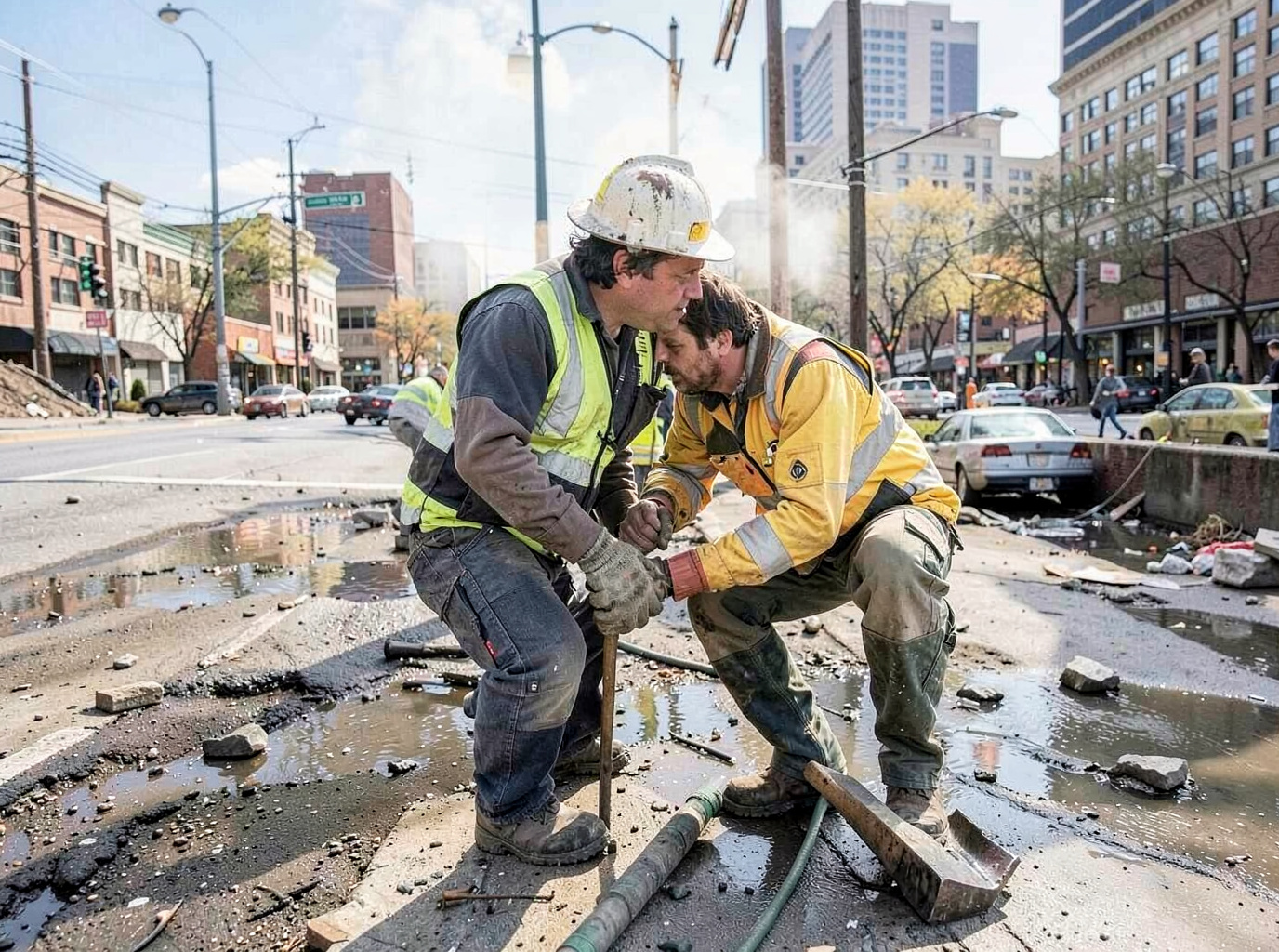
Dallas sits on clay-heavy soils that drain poorly after heavy summer storms, so flood water often lingers under slabs and in crawl spaces common to 1950s-1970s homes in East Dallas and Lake Highlands. Technicians must pull baseboards early and use moisture meters on brick veneer walls because trapped humidity in the subtropical climate quickly feeds mold behind drywall within 48 hours.
Reunion Tower and Klyde Warren Park sit near low-lying drainage zones that back up during intense rainfall, sending water into Uptown Dallas and Deep Ellum commercial buildings with mixed-age construction. Older plaster and lathe walls require slower drying rates than modern drywall to avoid cracking, while post-2000 builds in North Dallas often need targeted air movers under raised floors.
Nearby cities like Plano and Arlington share the same storm patterns, so crews stage equipment to reach Bishop Arts District or Oak Lawn within the hour. Sewage-tainted flood water from overwhelmed storm drains demands full PPE and separate containment lines, especially when water reaches electrical panels in basements common throughout Dallas County.
Technician insight
In Dallas the thing that catches most people out with flood damage restoration is clay soil that keeps water pooled against foundations for days after the rain stops, especially in East Dallas and Lake Highlands 1960s homes where slab leaks stay hidden until drywall starts buckling.
Uptown Dallas Basement Flood
Heavy overnight rain sent storm water through a low window well into a 1970s Uptown duplex. Crews found saturated insulation behind the finished basement walls and standing water under the laundry room slab. Extraction and targeted drying prevented mold spread into the shared wall with the neighboring unit, restoring the space within five days.
Flood Damage Restoration Services We Offer
✓Emergency Water Extraction
Rapid removal of standing flood water from basements and slabs using truck-mounted pumps sized for Dallas storm volumes.
✓Structural Drying and Dehumidification
Industrial drying with low-grain dehumidifiers calibrated for humid subtropical conditions to protect brick and plaster in older East Dallas homes.
✓Mold Prevention After Flooding
Antimicrobial application and moisture mapping to stop growth behind walls before Dallas summer humidity accelerates it.
✓Sewage and Contaminated Water Cleanup
Full containment and disposal of flood water mixed with storm-drain sewage common after heavy rains in low-lying Uptown and Downtown areas.
✓Flooring and Carpet Restoration
Salvage or replacement of hardwood, tile and carpet damaged by prolonged water exposure in Lake Highlands and North Dallas properties.
Flood Damage Restoration Cost in Dallas, TX
| Service | Typical Range | What Affects It |
|---|---|---|
| Initial Assessment And Moisture Mapping | $150–$350 | Larger multi-story homes in Uptown or Deep Ellum increase scope. |
| Water Extraction Per Day | $400–$900 | Depends on gallons removed and access in older slab homes. |
| Full Structural Drying Package | $800–$2,200 | Extends with high humidity or hidden wall cavities in East Dallas brick homes. |
| Sewage-Contaminated Cleanup Add-On | $600–$1,500 | Required when storm drains back up into Bishop Arts or Oak Lawn properties. |
Ranges are typical for Dallas, TX and confirmed with an exact written quote before any work starts.
How it works
- 1
On-Site Assessment
Technicians inspect affected zones in the specific Dallas neighborhood, map moisture with meters, and note construction type and any hidden cavities.
- 2
Water Removal
Extraction equipment pulls standing water while containment barriers protect unaffected rooms and prevent cross-contamination.
- 3
Drying And Monitoring
Air movers and dehumidifiers run until readings drop below 15 percent moisture content, with daily checks logged for the homeowner.
- 4
Final Restoration
Replace or repair damaged materials, treat for mold risk, and verify the space meets pre-loss conditions before turnover.
Pricing
Upfront quotes after inspection; price varies by water volume, affected square footage, and whether sewage is present.