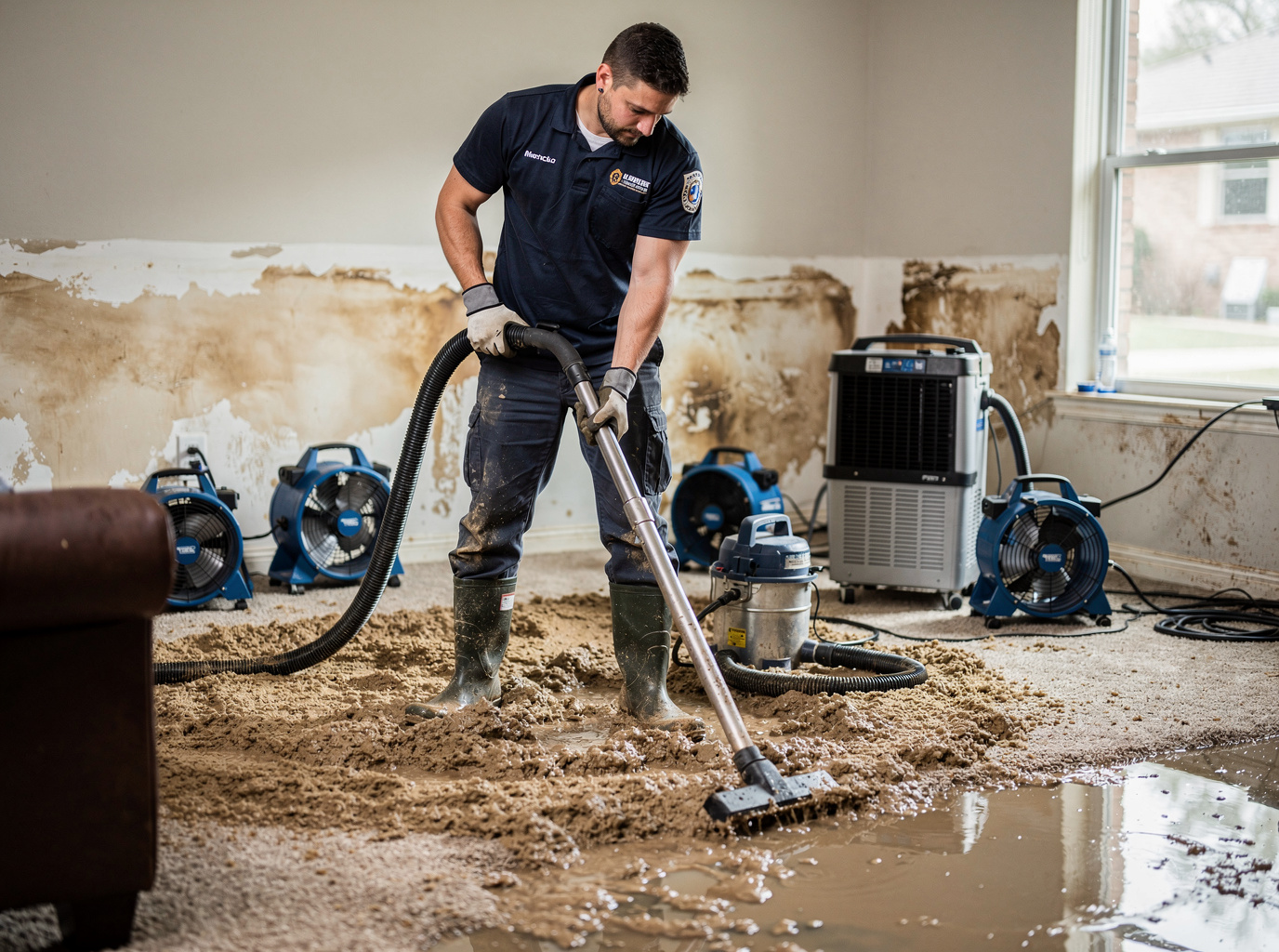
Dallas homes built before 1970 in East Dallas and Oak Lawn often feature plaster walls and crawl spaces that trap moisture after leaks from aging galvanized pipes. In a humid subtropical climate, even mild winter rains can push humidity levels high enough to delay natural drying, requiring industrial dehumidifiers and air movers placed strategically to avoid pushing moisture into adjacent rooms like those near the Dallas Museum of Art or Klyde Warren Park.
Uptown Dallas high-rises and Deep Ellum warehouses present different challenges with concrete slabs and limited ventilation. Water from burst lines or roof penetrations migrates under flooring and into elevator shafts, demanding moisture meters to map hidden saturation before mold sets in during hot summers. Technicians from our base at 10000 N Central Expy #454 coordinate with property managers to work around tenant schedules while meeting Dallas building code requirements for material removal.
Lake Highlands and North Dallas properties sit on clay-heavy soil that expands with moisture, shifting foundations and creating repeat leak paths around slabs. Cleanup here focuses on perimeter drainage checks and targeted drying of insulation in attics where summer heat accelerates bacterial growth in standing water. Nearby cities like Plano and Arlington share similar patterns, but Dallas county flood zones add extra documentation needs for insurance claims.
Bishop Arts District bungalows with pier-and-beam construction allow better airflow under floors but still require full subfloor inspection after heavy rains. We avoid shortcuts that leave residual moisture, because the mild winters rarely provide enough dry days to compensate for incomplete extraction.
Technician insight
In Dallas, the thing that catches most people out with Water Damage Cleanup is how quickly humidity from our subtropical summers re-soaks drywall in East Dallas and Lake Highlands crawl spaces if you skip daily meter checks after the initial extraction. Clay soil movement around slabs in North Dallas often hides moisture that only shows up weeks later near foundations.
Oak Lawn Bungalow After Pipe Burst
Water from a failed supply line spread under the living room floor of a 1960s pier-and-beam home. We mapped saturation extending into two bedrooms, extracted standing water, and ran drying equipment for four days until readings stabilized. Outcome was full material replacement without mold growth during the humid season.
Water Damage Cleanup Services We Offer
✓Emergency Water Extraction
Rapid removal of standing water from basements and slabs in Downtown Dallas and Uptown high-rises using truck-mounted pumps to prevent structural spread.
✓Structural Drying and Dehumidification
Placement of commercial drying equipment in older East Dallas homes to combat high humidity that prolongs moisture in plaster and hardwood.
✓Carpet and Flooring Water Removal
Lift and dry or dispose of saturated flooring in Lake Highlands properties where clay soil movement often directs water under baseboards.
✓Drywall and Insulation Replacement
Cut and replace water-damaged walls in Deep Ellum warehouses while documenting moisture levels for Dallas county insurance requirements.
✓Crawl Space Water Cleanup
Address trapped moisture under Oak Lawn and Bishop Arts pier-and-beam homes to reduce mold risk during humid summer months.
✓Sewage and Contaminated Water Cleanup
Safe extraction and disinfection of Category 3 water in North Dallas homes near aging sewer lines common in pre-1980 construction.
Water Damage Cleanup Cost in Dallas, TX
| Service | Typical Range | What Affects It |
|---|---|---|
| Initial Assessment and Moisture Mapping | $150–$350 | Larger Uptown or high-rise jobs increase travel and equipment needs. |
| Emergency Water Extraction | $400–$900 | Depends on water depth and whether slab or crawl space access is required. |
| Full Structural Drying Package | $800–$2,200 | Higher in older East Dallas homes with plaster and limited ventilation. |
| Drywall and Insulation Removal | $300–$750 | Varies with linear footage and disposal requirements in Dallas county. |
Ranges are typical for Dallas, TX and confirmed with an exact written quote before any work starts.
How it works
- 1
Initial Assessment
Technicians arrive from our 10000 N Central Expy location and use moisture meters to map affected zones in Dallas homes.
- 2
Water Extraction
Remove standing water with pumps and vacuums before it migrates into neighboring rooms or slabs.
- 3
Drying and Monitoring
Deploy dehumidifiers and fans, then check readings daily until levels return to normal for the humid subtropical climate.
- 4
Material Removal and Cleanup
Discard irreparable drywall or insulation and sanitize surfaces to meet local health standards.
- 5
Final Verification
Confirm dry conditions and provide documentation for insurance claims before leaving the site.
Pricing
Pricing varies by water category, affected square footage, and access challenges common in Dallas neighborhoods.